Living in Hsinchu
Living in Hsinchu County offers a comfortable balance of convenience and local culture. With reliable transportation, plenty of restaurants and shopping options, and easy access to both Hsinchu City and nearby towns, daily life is simple to manage. At the same time, Hsinchu is surrounded by nature, from coastal areas to mountain communities, making it easy to explore on weekends. Whether you prefer a more urban lifestyle or enjoy quieter environments, Hsinchu provides a welcoming place to live, work, and experience Taiwan beyond the major cities. Cons: Scooter is the most convenient traffic but dangerous riding in Hsinchu. Second, food in Hsinchu is expensive.
Living settings
Hsinchu has 13 townships. ETFs in urban placement usually live in Zhubei, and remoteplacement in Zhudong.Overall, life in Hsinchu is generally comfortable and convenient, especially for daily living needs, but the experience varies depending on whether you are based closer to urban areas or assigned to more rural/mountain sites. Sometimes the environment is livable and functional, while adjusting to local routines and housing conditions still requires flexibility and independence, particularly for those who teach in remote settings where access to services may be more limited. In more remote (RBI) placements, the living context can feel more isolated, but this isolation also creates a stronger sense of community and a deeper connection to the local lifestyle.
Transportation
Scooter is the best choice but dangerous in Hsinchu. Buses often miss the time. For RBI placements, you are not allowed to ride scooter in mountains. Transportation can be even more demanding due to geographical distance and the rural nature of the sites, meaning ETFs often need stronger planning skills and more logistical support to maintain a sustainable weekly rhythm.
Food
Yi-Ge Rice Noodles
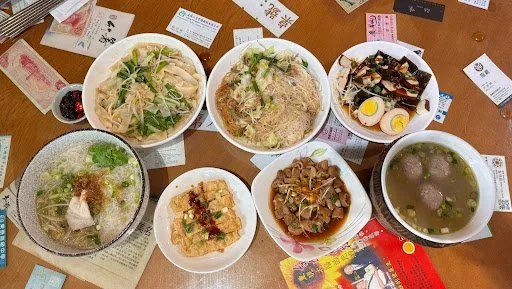
Among the tranquil countryside of Qionling, Yi-Ge Rice Noodles will bring you back in time. Wash down the steaming hot rice noodles with milky-white broth. This local delicacy is sure to move you after forty years of simmering. Don't miss the sauce section here! The fermented black beans, chili peppers, and shredded ginger are a must-try.
Zhou-Ji Steamed buns(鄒記菜包)
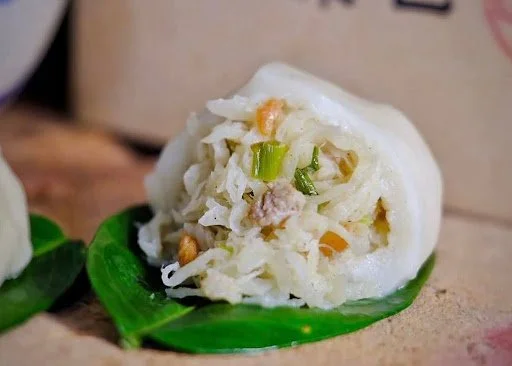
Zhou-Ji Steamed buns is one of Hsinchu’s most beloved local snacks, known for its freshly made Hakka-style steamed buns filled with flavorful vegetables. The wrapper is soft yet slightly chewy, and the filling is simple but satisfying, often featuring ingredients like cabbage, dried shrimp, and vermicelli. Many locals stop by for a quick breakfast or afternoon bite, and it’s an easy way for visitors to taste Hsinchu’s everyday food culture in an authentic, comforting form.
Chun-Sun Cake
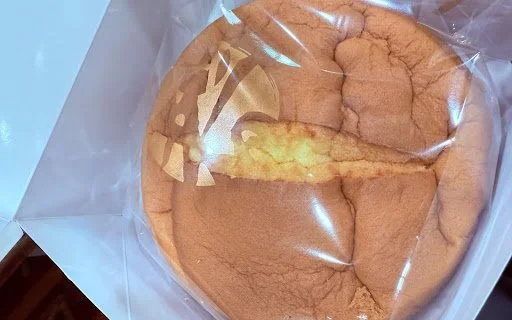
Chunshang Pudding Cake, located near Gong 2 Park in Zhubei, is one of the area’s most popular and well-loved gifts. This classic Taiwanese “pudding cake” dates back to the 1940s and 1950s, when it was often served as the final dessert at traditional banquet-style weddings. It is called a pudding cake because of its smooth, bouncy texture and simple shape, which resemble a custard pudding. Made using traditional baking methods, the cake may look plain without fancy decorations, but it delivers a nostalgic, comforting sweetness that captures the charm of old-fashioned Taiwanese flavors.You can buy at Hsinchu HSR station as well.
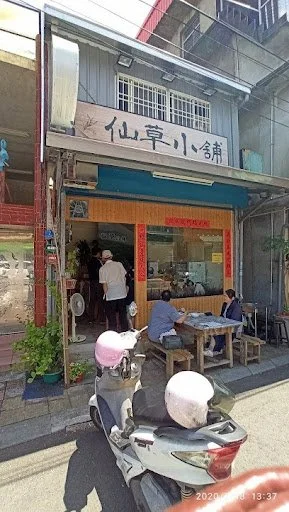
Guanxi Grass Jelly shop(關西仙草小舖)
The grass jelly dessert here is rich and flavorful, with a slightly bitter, herbal taste that feels especially comforting. The grass jelly tea is also worth trying. You can choose your preferred sweetness level, and the lightly sweet option is perfect for balancing the natural bitterness. If you’re visiting Guanxi, this is definitely a must-try local treat and a spot I would highly recommend.
Ang Gu Noodles
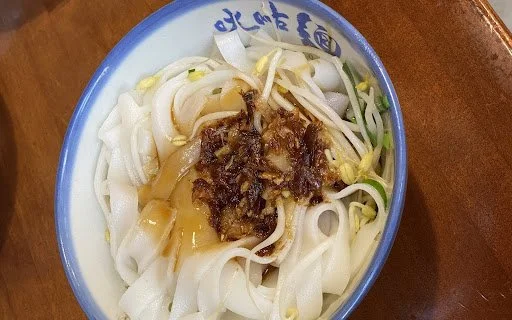
When you walk into Guanxi Old Street, you will often hear locals say, “Let’s go eat Anggu’s noodles!” Behind this simple phrase is more than fifty years of everyday tradition, and a warm family story that has become part of the town’s memory.
The name traces back to “Anggu Grandpa,” who used to sell noodles in front of his home. He loved joking with children, and whenever he saw them, he would happily call out, “Anggu, Anggu!” The kids laughed, repeated it, and over time, people began using “Anggu” to refer to the small noodle stall that never even needed a sign. For longtime locals, saying “Let’s go eat at Anggu’s” became a shared habit passed down through generations.
Even after relocating and renovating the shop, Anggu Noodles has stayed true to its comforting flavors, especially its fragrant scallion sauce and classic flat noodles. From the savory broth and well-seasoned braised dishes to local favorites like wontons, triangle rice cakes, braised intestines, and peanut tofu, every dish carries a familiar, old-fashioned taste that keeps regulars coming back and first-time visitors falling in love.
Today, the next generation continues the tradition, refreshing the space while preserving the original flavors. More than just a bowl of noodles, Anggu Noodles are a taste of Guanxi’s history, one that welcomes every traveler who stops by.
No.39 Beipu Leicha
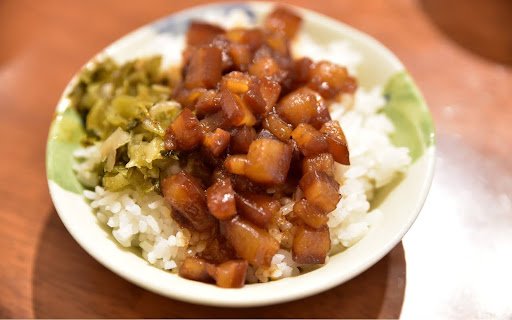
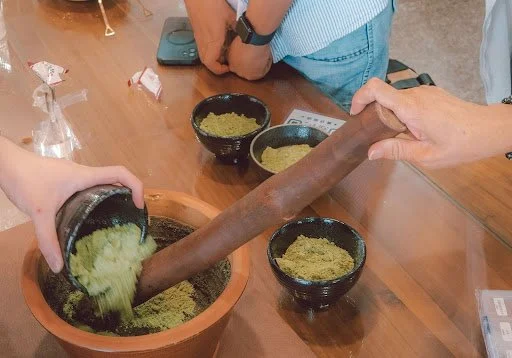
No.39 Beipu Leicha is a well-known stop in Beipu for experiencing Hsinchu’s Hakka food culture. Their signature dish, Leicha (擂茶), is a traditional Hakka “ground tea” made by pounding tea leaves together with nuts, sesame, and herbs into a fragrant paste, then mixing it with hot water to create a savory, earthy drink. It is often served alongside a bowl of rice topped with colorful seasonal vegetables, creating a healthy and comforting meal. At No.39, you can enjoy Leicha in a relaxing setting while learning about a local tradition that has been passed down for generations, and also DIY your own Leicha.
Local features/attractions
HAPPY-HWA Braised Pork Rice
HAPPY HWA is a popular restaurant in Zhubei City, known for its spacious dining area and comforting Taiwanese flavors. Their Braised Pork Rice and bibimbap are both must-try dishes. The braised pork has a slightly sweet, savory taste that is especially satisfying—perfect for anyone who enjoys a gentle sweetness in their food. The braised pork belly is also richly seasoned and full of sauce aroma, while staying tender, never dry, and without any strong pork smell.
New Tile House Hakka Cultural District
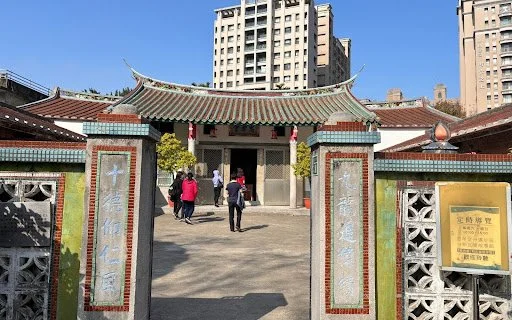
The New Tile House Hakka Cultural District in Zhubei, Hsinchu, is Taiwan's first designated Hakka cultural preservation area. Originally established in 1805 as a traditional Hakka walled village, it showcases authentic Hakka architecture, particularly the Lin family's ancestral hall. Saved from demolition by preservationists, it now serves as a vibrant hub for cultural exhibitions, performances, and markets, allowing visitors to experience the rich heritage and lifestyle of the Hakka people.
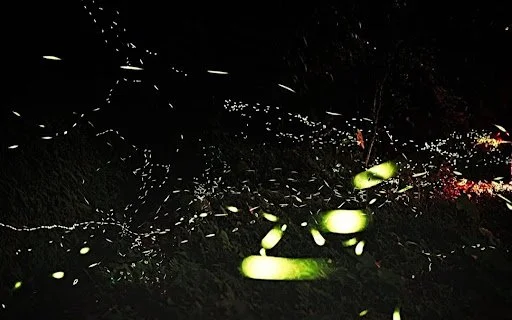
Dongwoxi Firefly Ecological Area
April and May are prime months to witness the enchanting tung blossoms and fireflies in Hsinchu's Dongwoxi(東窩溪) Firefly Ecological Area, near Neiwan Old Street. Thousands of these tiny lights create a magical, star-like display as they dance through the trees. Thanks to conservation efforts, this accessible, low-light environment offers perfect conditions for fireflies to thrive, providing an unforgettable evening for nature lovers and families.
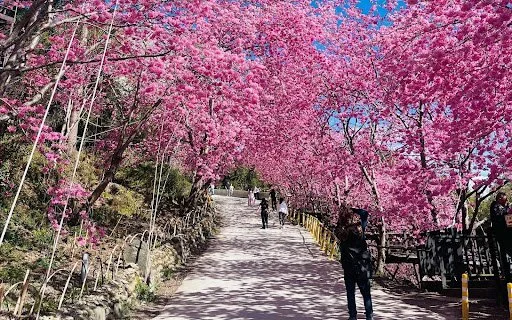
Qalang Smangus tribe
The Qalang Smangus tribe, an Atayal community nestled in Hsinchu's remote mountains, is renowned for its unique communal living system and pristine natural environment. Once Taiwan's most isolated village, it gained electricity only in 1979 and a proper road in 1995. Today, it's a model of eco-tourism, drawing visitors to its ancient giant cypress groves and showcasing a vibrant indigenous culture that balances tradition with sustainable development.
Toucian River Tofu Rocks
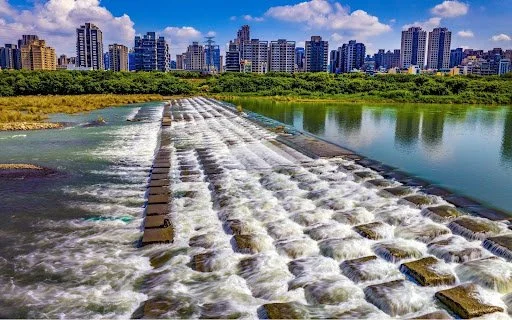
The Toucian River Tofu Rocks in Hsinchu are a surprisingly popular photographic spot. These large, square concrete blocks, originally installed as riverbank erosion control, have gained fame for their unique "tofu-like" appearance. Especially at sunset or with long exposure photography, the rocks and flowing water create mesmerizing scenes, making them a unique destination for visitors and photographers alike.
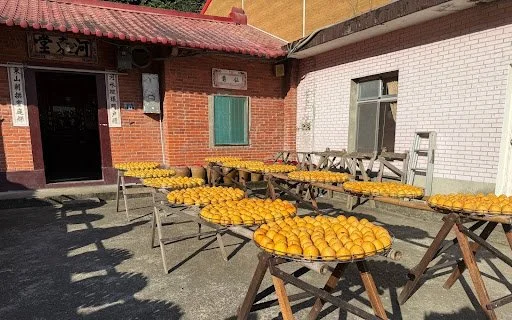
Wei Wei Jia Persimmon Tourist Orchard
Wei Wei Jia Persimmon Tourist Orchard in Hsinchu is a must-visit, especially from late September to December. This traditional Hakka orchard is renowned for its sun-drying process of persimmons, a centuries-old technique that fills the air with a sweet aroma. Visitors can witness the "golden sea" of persimmons laid out to dry, learn about Hakka culture, and capture stunning photographs, making it a unique and picturesque autumnal experience.
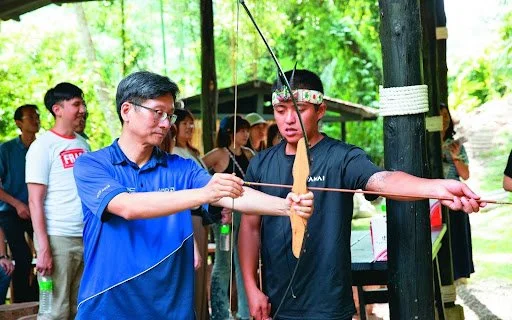
Wufeng Hunter School
Visitors can experience the most authentic aboriginal folk skills including archery, weaving, and singing aborigines' songs. They can even experience walking on hunter trails.