Teaching in Matsu
Teaching in Matsu is particularly unique because ETFs teach both regular English classes with Local English Teachers (LETs) and non-regular classes with the support of homeroom teachers. In these non-regular classes, schools place a strong emphasis on creativity and flexibility, giving ETFs the freedom to design course content from the ground up. As a result, teaching in Matsu requires solid classroom experience, high adaptability, strong initiative, and functional Chinese ability. Compared to ETA/F placements in other parts of Taiwan, the workload is heavier, with more independent lesson planning, occasional solo teaching, and longer working hours.
Currently, there are five Fulbright partner schools in Matsu—two elementary schools, two combined elementary and junior high schools, and one junior high school—located across Beigan and Nangan islands. School sizes range from approximately 30 to 210 students, and English proficiency levels vary, with some students attending cram schools after regular class hours. Matsu ETFs teach at schools for 3.5 days per week (Tuesday to Friday morning) and spend 1.5 days supporting the English Resource Center, including designing county-wide camps, events, and guide training programs.
Do you co-teach or teach more independently? What are the pros and cons?
Teaching in Matsu combines both co-teaching and independent teaching. In regular English classes, ETFs co-teach with a Local English Teacher (LET), allowing for collaborative lesson planning and shared classroom responsibilities. Co-teaching helps ensure students receive appropriate language support, as LETs are familiar with the curriculum, students’ proficiency levels, and classroom routines, while ETFs contribute native-level English use and cultural perspectives.
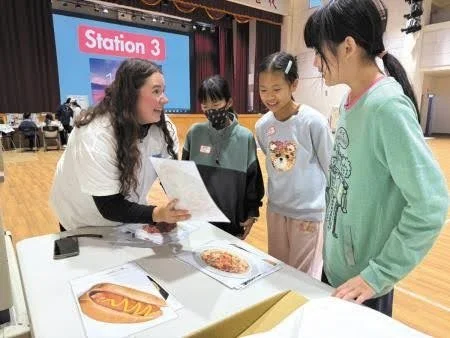
Outside of regular English classes, including non-regular classes, clubs, and special projects, ETFs teach more independently, often with support from a homeroom teacher rather than an LET. This independent teaching model gives ETFs significant flexibility and creative freedom to design lessons, activities, and curricula from the ground up. As a result, ETFs gain valuable hands-on teaching experience and develop strong classroom management and curriculum design skills.
However, this level of independence also comes with challenges. Planning lessons independently requires more time and preparation, and teaching without an LET may feel demanding, especially at the beginning of the placement. Clear communication, adaptability, and patience are essential. Overall, the blended teaching model in Matsu offers a unique opportunity for educators who are motivated, self-directed, and eager to grow through both collaboration and independence.
What is the role of Chinese in the English classroom?
Students in Matsu have varied levels of English proficiency, often depending on whether they attend after-school cram schools. As a result, Chinese is commonly used as a supportive language in the classroom to help students understand instructions, clarify concepts, and stay engaged, especially at the elementary level. While ETA/Fs primarily use English to provide authentic language exposure, local teachers often use Chinese strategically to scaffold learning and ensure comprehension.
Because there are relatively few English teachers across the Matsu islands, Chinese is also frequently used for co-planning and communication between ETA/Fs and local teachers. Strong Chinese skills are therefore highly beneficial in Matsu, not only for classroom support but also for effective collaboration, lesson planning, and daily communication within schools.
EERC holds some camps and projects:
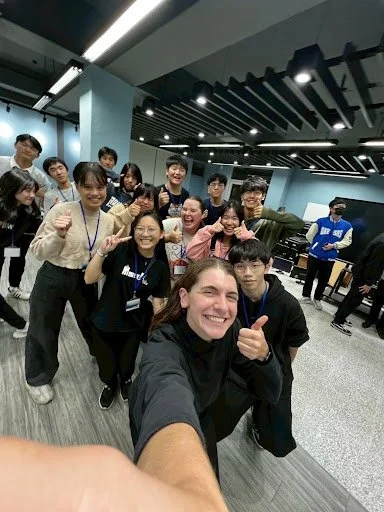
Matsu High School English Camp:
The Cultural FUN Exchange Project uses hands-on activities to bring English and culture to life. In the dance session, students learned American line dance steps, building confidence through movement and teamwork. In the board game session, students practiced English communication, problem-solving, and collaboration while exploring American-style games. By learning through play, students not only gained cultural insights but also became more willing to use English actively and naturally. The project highlights how experiential learning can spark curiosity, strengthen communication skills, and help students connect with the world beyond their island.
Project Highlight|Small Tour Guide Project
The Small Tour Guide Project invites students to become English-speaking ambassadors for Matsu. Guided by Fulbright ETAs and supported by local teachers, students learn how to introduce Matsu’s food, natural environment, geography, and famous sites—such as sweet potato dumplings, Blue Tears, Beihai Tunnel, and the islands’ unique terrain—using practical, real-world English. Interactive elements, including authentic local materials and group presentations, help make learning engaging and memorable. By the end of the program, students earn an English tour guide badge, symbolizing their growth in confidence, communication skills, and pride in sharing their home with the world.
Project Highlight|Holiday English Project
The Holiday English Project uses familiar festivals as a gateway to language learning. By combining holiday-themed activities, creative costumes, and daily-use English, the project helps young learners practice listening, speaking, reading, and writing in a fun and low-pressure setting. Students engage with English through games and hands-on tasks while experiencing cultural traditions beyond the classroom. The project aims to build confidence, spark curiosity, and show students that English can be a natural and enjoyable part of everyday life.