

Living in Matsu
Living in Matsu offers a truly remote island experience shaped by its small population and close-knit communities. You can expect to become closely integrated into local life, frequently encountering students and teachers beyond the classroom. Some people say Matsu is too small, too cold, or that it lacks familiar conveniences, but those who live and teach here learn to see these challenges differently. With no large supermarkets, limited amenities, and only three hospitals serving the islands, daily life requires adaptability, and scooters are the most reliable way to get around. In return, Matsu offers deep community connections, striking coastal landscapes, and a meaningful sense of purpose. As one Matsu ETF Grant shared, in the end, “it all depends on human effort.”
Living setting
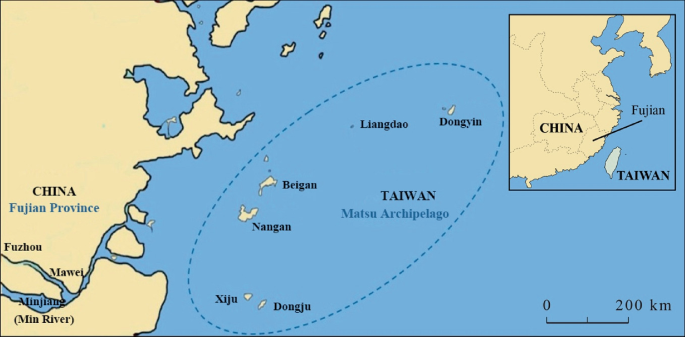
There are two living areas located in both Beigan and Nangan islands for Matsu ETA/F. Beigan offers a quiet, close-knit island environment where daily life is closely connected to the local community and schools. ETFs with school hours in Beigan live in on-campus school dormitories during the teaching week, allowing for easy commutes and frequent interaction with students and colleagues. This arrangement supports immersion in school life and provides a focused, calm setting that is well suited to teaching, lesson planning, and community engagement.
Nangan is the administrative and transportation hub of Matsu and is where the English Education Resource Center (EERC) is located. ETFs spend time in Nangan for EERC-related work, meetings, and county-level projects. On weekends and during non-teaching days, ETFs staying in Beigan may also stay at the shared apartment in Nangan with their cohort. This setup allows ETFs to balance independent island living during the week with opportunities for collaboration, social connection, and shared activities with fellow grantees.
Transportation
Transportation & Connectivity in Matsu
-Air: UNI Air and Mandarin Airlines flights connect Songshan↔Nangan (7-8 flights/day) & Beigan (3/day)
Ferry: Regular Nangan–Beigan (~20 min) and inter-island routes; Keelung–Nangan overnight; ferry routes weather-dependent (typhoons, fog)
Buses on Nangan & Beigan https://www.matsuebus.tw/
Taxis and scooter rentals are available; other islands require taxi/scooter. https://hotels.matsu.idv.tw/taxi.php
But "Scooter" is most recommended
Connectivity risks: Internet may be disrupted by undersea cable damage; intermittent outages possible. Chunghwa Telecom is the most stable one.
Further information: https://www.matsu.gov.tw/enhtml/content/371030000A/118
Food
Ding Bian Hu (鼎邊糊)
Ding Bian Hu is one of the most iconic traditional dishes in Matsu. It is made by pouring rice batter along the edge of a hot pot, where it quickly cooks into thin sheets before being scraped into a savory broth. The soup is usually flavored with dried shrimp, pork bones, or seafood, resulting in a smooth, comforting texture that reflects Matsu’s simple yet thoughtful island cuisine.
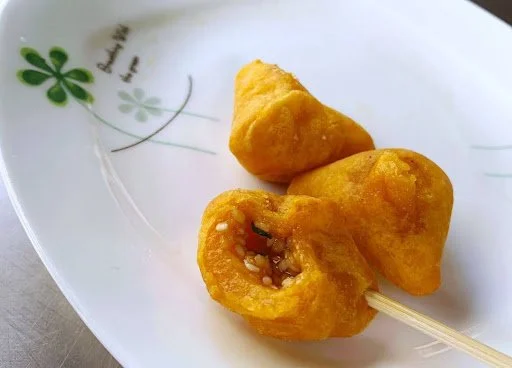
Sweet Potato Dumplings (地瓜餃)
Sweet potato dumplings are a classic Matsu comfort food. The outer wrapper is made from sweet potato starch, giving it a chewy and slightly
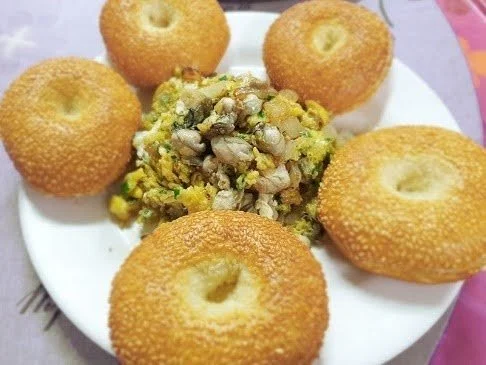
Jiguang Cake (繼光餅)
Jiguang cake is a traditional baked bread that originated as a military ration due to its durability and ease of storage. In Matsu, it is often sliced open and filled with braised pork, eggs, or mussels, turning it into a popular local snack. The cake carries both historical significance and everyday familiarity for island residents.
Restaurants
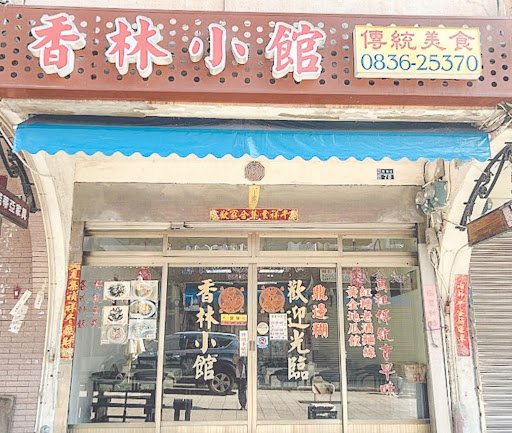
Best Red Yeast Wine Noodles in Nangan-香林小館 Magang Xianglin Restaurant
Local features/attractions
(All photos are taken by coordinator Tom)

Ho-wo Beach: Beigan's Sparkling Shore
Howo Beach on Beigan Island is a stunning expanse of soft, white sand, nestled in a bay embraced by three mountains. Formed by centuries of river sand deposits carried by summer monsoons, it's a true natural marvel, making this pristine beach a perfect spot to relax, soak in the ocean views, and enjoy Matsu's coastal beauty.
Lantern Festival Traditions in Matsu (元宵擺暝嘉年華)
In Matsu, the most important celebration of the Lunar New Year is not New Year’s Day itself, but the Lantern Festival period, especially the traditional rituals known as Ba Mian (擺暝) and Ying Shen (迎神). These events form the largest and most significant folk religious celebrations of the year. During this time, many Matsu residents who live elsewhere return home to take part in the festivities, making it a powerful moment of reunion and community connection.
Ba Mian, which literally means “arranging the night,” refers to the nighttime ritual of setting out offerings to honor and thank the gods. Originating from rural traditions in the Fuzhou region, the festival includes large-scale temple processions in which guardian deities from different villages are carried through the community to pray for peace and protection. Beginning around the eleventh day of the lunar new year, villages across the islands come together to build ceremonial arches in front of temples and public squares. Each temple follows its own schedule for rituals and processions, and visitors are warmly welcomed to observe, photograph, and even participate. Exploring the different temple traditions and timings is one of the most fascinating ways to experience Matsu’s Lantern Festival culture.
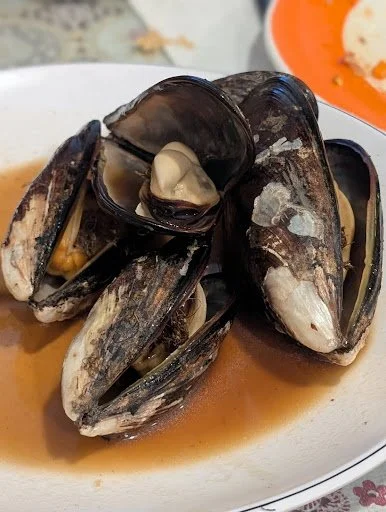
Mussels (淡菜)
Matsu mussels are well known for their freshness and natural sweetness, thanks to the clean waters and strong currents surrounding the islands. They are often prepared simply—steamed, lightly seasoned, or added to soups—to highlight their ocean flavor. Mussels are a staple of local dining and represent Matsu’s deep connection to the sea. The best season to eat mussels is the summer time.
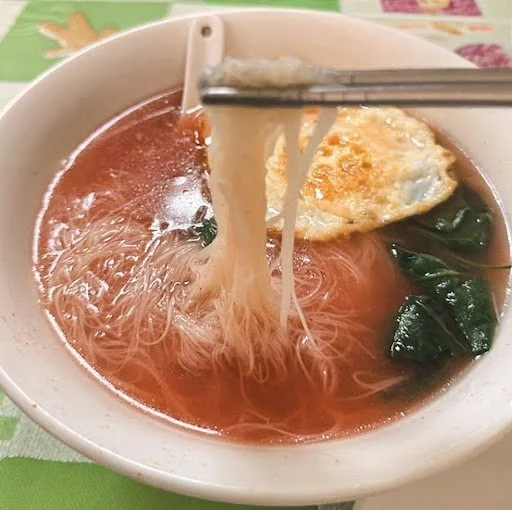
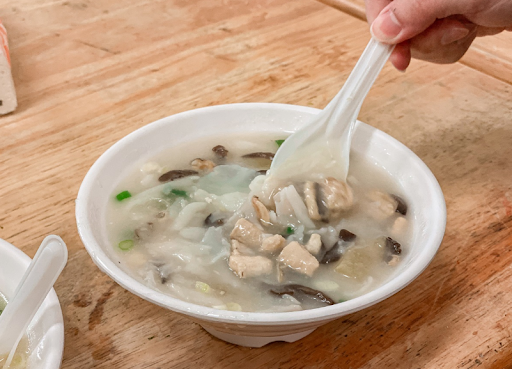
Red Yeast Wine Noodles (紅糟老酒麵線)
Red yeast wine noodles are commonly served during festivals and special occasions in Matsu. The broth is made with red yeast rice and aged rice wine, creating a fragrant and warming dish often paired with chicken or eggs. More than just a meal, this dish symbolizes blessings, nourishment, and new beginnings.
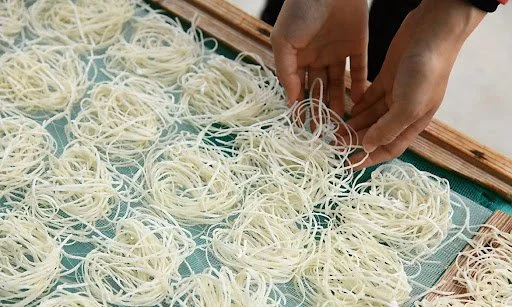
Fish Noodles (魚麵)
Fish noodles are made primarily from fresh fish paste rather than flour, giving them a firm yet delicate texture. Typically served in a clear broth, the dish highlights the natural sweetness of the fish. Fish noodles showcase the ingenuity of Matsu’s fishing culture and the islanders’ respect for using marine resources thoughtfully.
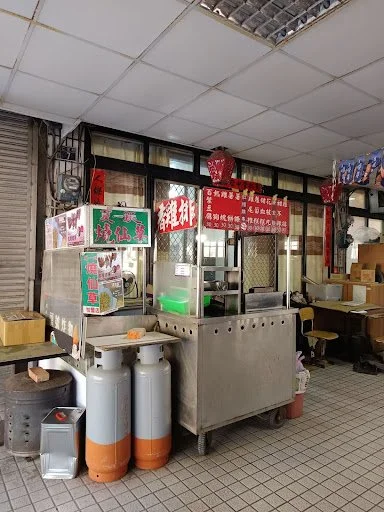
Best Sweet Potato Dumplings (地瓜餃): 頭號炸物 The Top Fried
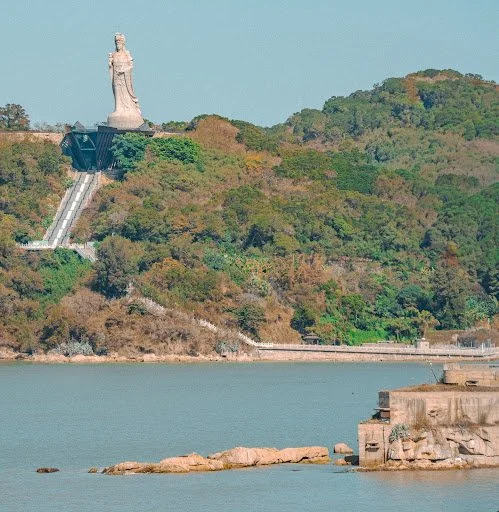
The Towering Mazu Statue of Matsu
Mazu is a beloved sea goddess deeply revered in Chinese folk religion, especially in coastal areas like Matsu and Taiwan. Originally a human woman named Lin Moniang from the 10th century, she is celebrated for her miraculous acts of saving seafarers. She's seen as a protector for fishermen, sailors, and travelers, embodying compassion and safety on the waters. Her towering statues and vibrant temples are testaments to the enduring faith in her benevolent power. Perched majestically on a hillside to the right of Matsu's Tianhou Temple, the Mazu Giant Statue is a powerful symbol of the islanders' deep devotion to the sea goddess. Completed in October 2009 after more than a decade of planning, this monumental statue is the centerpiece of the Mazu Religious Culture Park.
Daqiu Island: Matsu’s Little Nara
Daqiu Island is a small, uninhabited island off the coast of Matsu, often called the “Little Nara” for its friendly sika deer that roam freely across the landscape. Once home to a military garrison, the island is now a peaceful nature reserve where visitors can walk gentle trails, observe deer up close, and enjoy wide ocean views. With its quiet atmosphere and untouched scenery, Daqiu Island offers a rare chance to experience Matsu’s natural beauty in its most serene form.
The Matsu Folklore Culture Museum
The Matsu Folklore Culture Museum offers an engaging introduction to the islands’ history, traditions, and everyday life. Through exhibits of traditional tools, fishing culture, religious practices, and local customs, the museum highlights how Matsu residents adapted to life on remote islands shaped by the sea and military history. It is an ideal place for visitors to gain cultural context and a deeper appreciation of Matsu’s unique folk heritage.
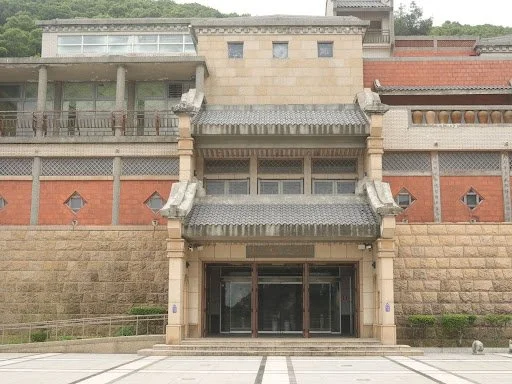
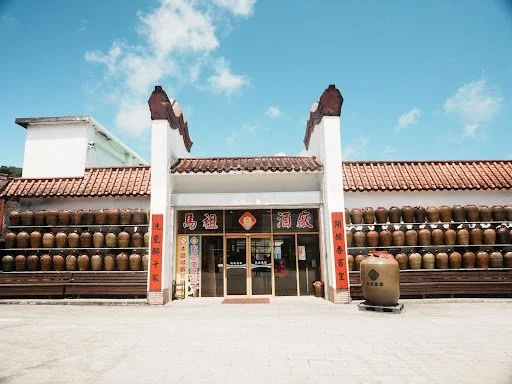
Matsu Distillery: The Home of Fragrant Spirits
Step into the Matsu Distillery, nestled below Niujiao Ridge, where the air is rich with the aroma of renowned spirits. Using pristine spring water, this distillery is famous for its Dacou, Gaoliang, and aged liquors, making them quintessential Matsu souvenirs. Explore the exhibition hall to discover the distillery's history, from antique brewing tools to rare, vintage bottles, and even sample their exceptional creations. It's a must-visit for anyone curious about Matsu's rich brewing heritage!
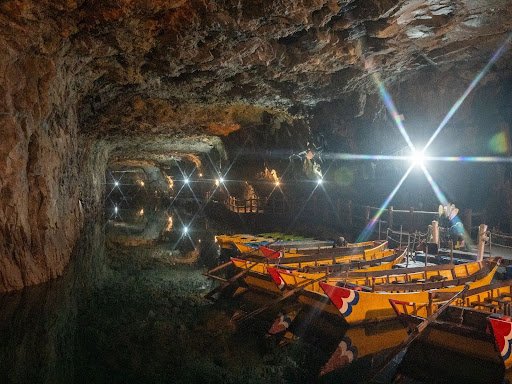
Beihai Tunnel: A Subterranean Marvel
Carved by hand into solid granite, Beihai Tunnel is a breathtaking testament to Matsu's military past. This colossal "underground pier," part of the 1968 "Beihai Project," was built for guerrilla warfare, taking 820 days of grueling labor. Today, this 640-meter, "well-shaped" waterway is a major tourist attraction. Explore its depths at low tide, marveling at the sheer scale of this engineering feat and the sacrifices made to create it. Visiting is essential to truly experience Matsu.
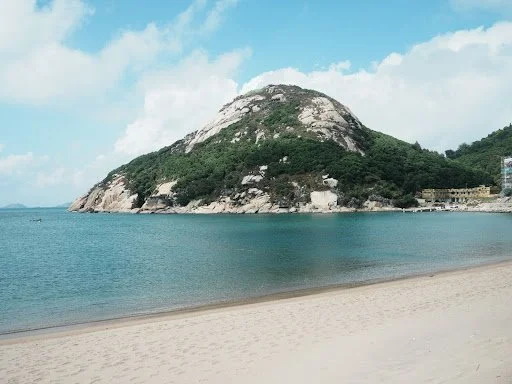
Jinsha Village: A Golden Coastal Retreat
Nestled on Nangan Island's southwest, Jinsha Village (originally "Golden Sands") is a tranquil escape. Here, traditional Mindong-style stone houses crafted from granite, often adorned with large wine jars, create a unique architectural tapestry. Wander its alleys, and you'll discover single or double-story homes built into the hillside, each telling tales of its prosperous past and the rich history embedded in its ancient walls. It's a truly captivating journey back in time.
Events and Festivals
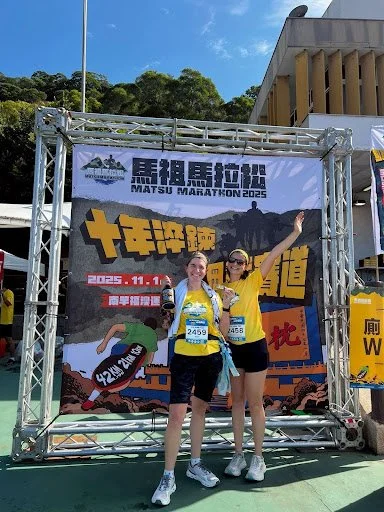
Matsu International Marathon (馬祖馬拉松)
One of the highlights of Matsu is the annual Matsu International Marathon, held every November. Runners come from all over Taiwan, along with many local residents, to take part in this island-wide event. Throughout the racecourse, local communities set up food stalls and enthusiastically hand out free food and drinks to runners, creating a welcoming and festive atmosphere. More than just a race, the Matsu Marathon reflects the strong sense of community in Matsu and offers a unique opportunity to experience local hospitality, scenery, and island culture all at once.
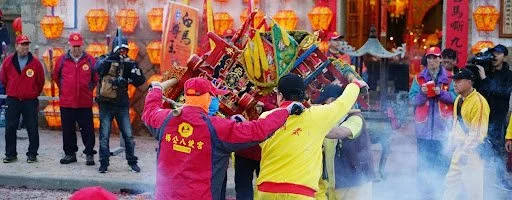
Tieban Burning Tower Festival(鐵板燒塔節)
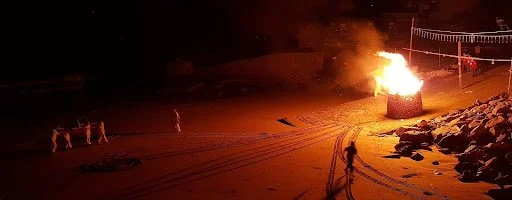
Held annually during the Mid-Autumn Festival, the Tieban Burning Tower Festival symbolizes clearing away the old and welcoming a fresh start. The tower, traditionally built from tiles and bricks, is ignited at night using wood, bamboo, grain husks, and pine resin, creating a dramatic blaze meant to burn away misfortune and bring wholeness and good fortune. In modern times, the community has added a meaningful ritual: participants write down their fears or worries on “purification cards,” which are then burned in the tower, symbolizing release and renewed courage. The event culminates in a friendly competition—whichever tower burns fully red without collapsing is declared the winner—followed by games, raffles, and celebrations. More than a spectacle, the festival reflects Matsu’s strong community ties, respect for tradition, and shared hope for the future in Matsu.